
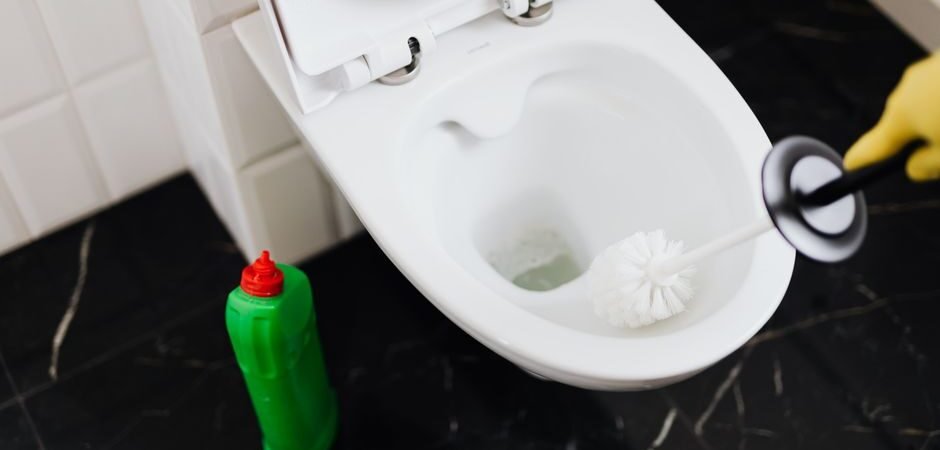
Dealing with a clogged toilet can be a stressful and unpleasant experience. Before you panic or call an expensive professional plumber, there are several tried-and-true DIY methods you can try at home.
In this comprehensive guide, we will cover why toilets clog, what you should never do, 7 practical effective ways to unclog a toilet, prevention tips, and frequently asked questions.
1. Why Do Toilets Get Clogged? (Common Causes)
Understanding the root cause can help prevent future headaches. The most common reasons include:
- Excessive Toilet Paper: Using too much toilet paper at once or using thick, non-flushable paper.
- Non-Flushable Items: Flushing wet wipes, paper towels, cotton swabs, feminine hygiene products, or dental floss. These do not dissolve in water like regular toilet paper.
- Hard Objects & Toys: Accidental drops of children’s toys, soap bars, or small plastic caps into the bowl.
- Low Water Flow: A weak flush mechanism that lacks sufficient water pressure to push waste down the pipe.
2. What NOT to Do When a Toilet is Clogged (Crucial Mistakes)
To prevent overflowing or damaging your plumbing, avoid these common mistakes:
- ❌ Do NOT keep flushing: If the water level rises to the rim, flushing again will cause a messy, unhygienic overflow.
- ❌ Do NOT pour boiling water directly: Extreme heat can crack the porcelain of the toilet bowl. Always use warm or hot tap water.
- ❌ Do NOT mix chemical cleaners: Mixing bleach with acidic cleaners or other chemicals can create toxic, life-threatening fumes.
- ❌ Do NOT force sharp metal tools aggressively: Pushing sharp objects blindly can puncture the internal porcelain trap or damage the pipes.
3. 7 Effective Ways to Unclog a Toilet
1. Hot Water and Dish Soap (Lubrication Method)
If the clog is caused by organic waste and toilet paper, dish soap and hot water can work wonders.
- Squirt a generous amount of dish soap or shampoo directly into the toilet bowl.
- Let it sit for about 20 to 30 minutes to lubricate the pipes.
- Pour hot tap water (not boiling) from waist height to create downward pressure.
2. The Plastic Bottle Trick (DIY Plunger)
If you don’t have a plunger on hand, an empty plastic bottle can save the day.
- Take a large plastic soda bottle and cleanly cut off the bottom.
- Leave the cap off and firmly push the bottle opening down into the toilet drain hole.
- Pump it up and down like a piston to create air pressure that pushes the blockage out.
3. Plastic Wrap and Tape Pressure Method
This method uses air pressure physics to force the clog down.
- Ensure the rim of the toilet bowl is completely dry.
- Lift the toilet seat up, wrap heavy-duty packing tape or a large plastic sheet tightly and smoothly across the top of the bowl so no air can escape.
- Flush the toilet. The plastic will inflate like a balloon; quickly and firmly press down on the center of the plastic to push air into the bowl.
4. Wire Coat Hanger Hook
For paper or minor obstructions stuck near the opening, a coat hanger can act as a retriever.
- Take a standard wire clothes hanger and straighten it out, leaving a small hook at one end.
- Carefully insert the hook end into the toilet drain.
- Gently twist and pull to hook or break apart the blockage causing the issue.
5. Using a Traditional Plunger (Force Cup)
The classic and most reliable tool for the job.
- Make sure there is enough water in the bowl to cover the rubber cup of the plunger.
- Place the plunger securely over the drain hole, ensuring a tight seal.
- Push and pull rhythmically with strong, steady force to create a vacuum suction effect that loosens the clog.
6. Household Bleach for Decomposition
If the blockage consists of soft organic material, chemical assistance can help.
- Pour an appropriate amount of household bleach into the bowl and let it sit for 30 minutes to an hour to help dissolve organic matter.
7. Calling a Professional Plumbing Service
If you have tried all the DIY methods above and water is still backing up, the obstruction might be a hard object wedged deep in the system. In this case, it is safest to call a professional plumber equipped with specialized snake augers or suction machinery.
4. How to Prevent Toilet Clogs in the Future
- Follow the “Toilet Paper Only” Rule: Never flush wet wipes, paper towels, or hygiene products, even if the label says “flushable.”
- Use Less Paper per Flush: If necessary, flush twice instead of using a massive amount of paper at once.
- Keep the Lid Closed: Prevent accidental drops of foreign objects (like phones, cosmetics, or children’s toys) into the bowl by keeping the lid down when not in use.
5. Frequently Asked Questions (FAQ)
Q1: What should I do if the water level keeps rising and won’t go down?
- A: Immediately shut off the water valve located behind or under the toilet to stop more water from filling the bowl, preventing an overflow.
Q2: Can I use drain cleaners (like liquid drain openers) for a clogged toilet?
- A: Most standard liquid drain cleaners are designed for sinks and showers and can generate heat that cracks toilet porcelain. It is usually better to rely on hot water, dish soap, or mechanical tools (like a plunger).
Q3: How long should I wait before trying to unclog again?
- A: If you use the dish soap and hot water method, give it at least 20 to 30 minutes to break down the clog before attempting to plunge or flush.