
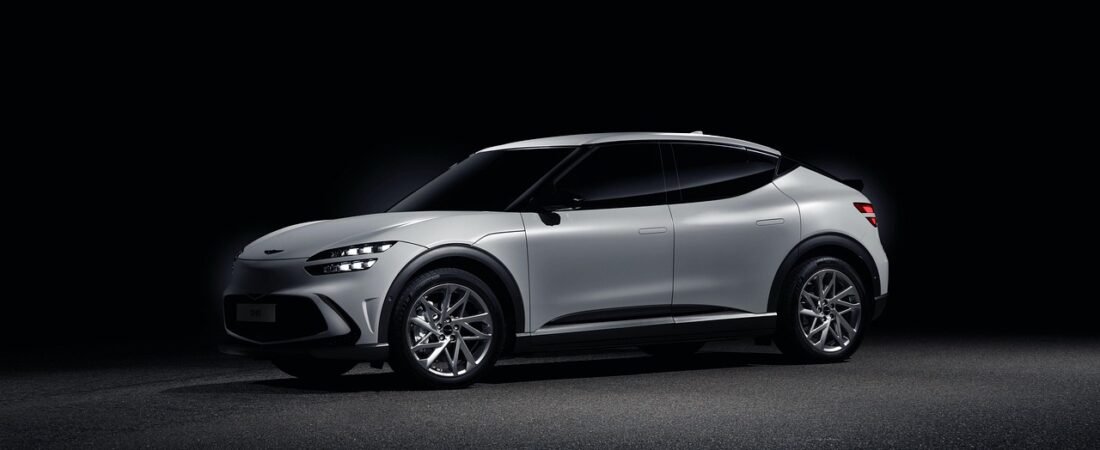
Hyundai’s latest Investor Day wasn’t just about new car reveals. The real story? The company finally put concrete dates on its autonomous driving strategy — a timeline that aims to close the gap with global leaders by 2033.
The Headline: 2028 Platform Launch, 2033 Parity Target
Hyundai’s plan unfolds in three phases:
- Late 2024: Data collection begins with ~200 IONIQ EVs in Gwangju
- 2028: Standardized compute platform enters production vehicles
- 2029: Mass-production scale + Saemangeum AI data center (100MW, 50,000+ GPUs) comes online
- 2033: Target date for competitive parity with global autonomy leaders
The math is straightforward: 7+ million annual vehicle sales create a massive data advantage — if Hyundai can harness it.
The Engine: A Data Flywheel, Not Just Sensors
The centerpiece isn’t hardware — it’s a data flywheel inspired by Hyundai’s own generative voice AI, Gloe.
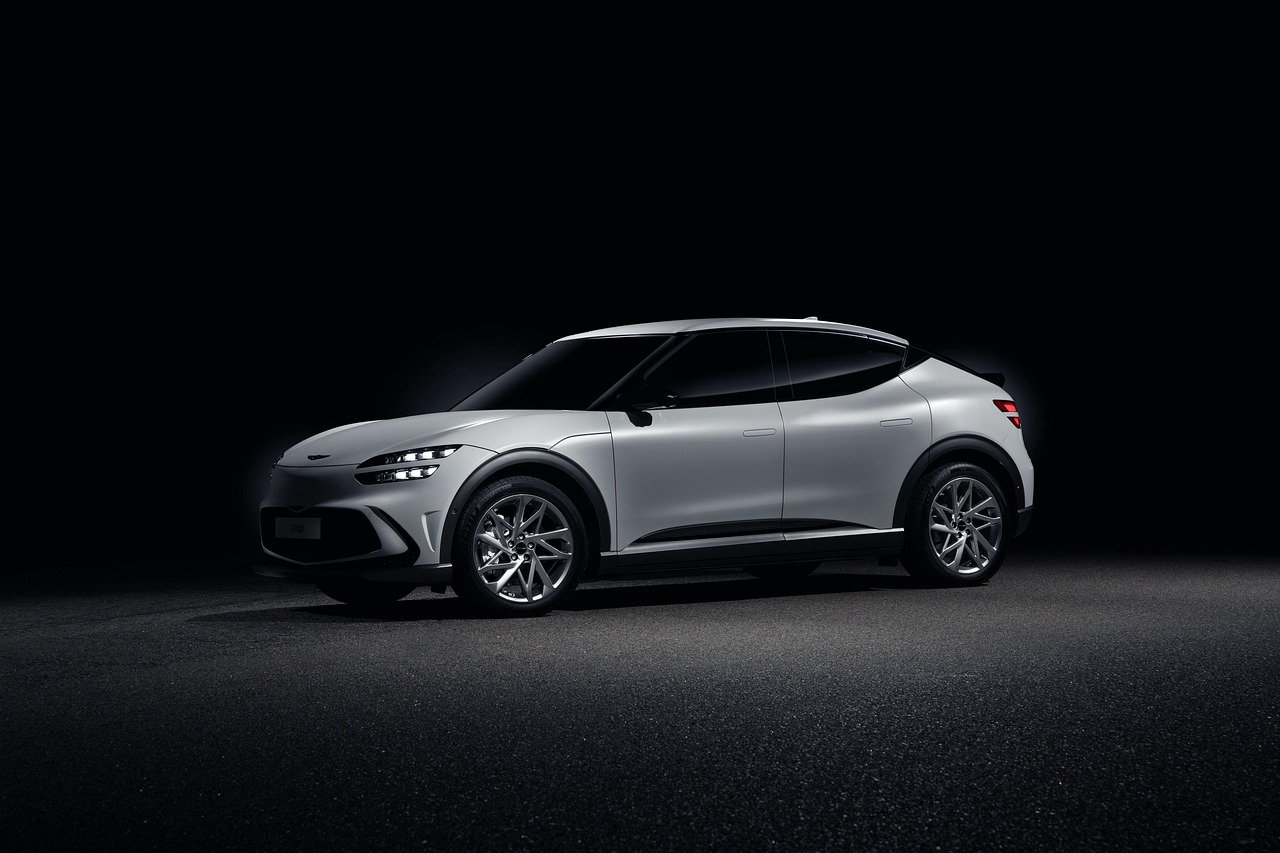
Here’s the loop: Vehicles gather driving data → AI trains on it → OTA updates push improvements → Updated vehicles collect better data → Repeat.
Hyundai already proved the concept with Gloe AI: real-world usage data lifted function success rates from 87.1% to 90.6% and cut average response latency from 2.07s to 1.95s. Now they’re applying the same architecture to autonomous driving.
Sensor Standardization: 8 Cameras, 1 Radar, NVIDIA Platform
Until now, Hyundai, FortyTwo Dot, and Motional each ran different sensor suites and data formats. That’s changing.
| Component | Specification |
|---|---|
| Sensors | 8 cameras, 1 radar (camera-first, not LiDAR-dependent) |
| Compute | Standardized centralized computer platform |
| E/E Architecture | CODA-based next-gen electrical/electronic architecture |
| Updates | Continuous OTA capability |
| Training Data | Unified pool: Hyundai, Kia, FortyTwo Dot, Motional |
The camera-first approach is deliberate: Hyundai is targeting consumer vehicles people actually buy, not robotaxi fleets that need LiDAR.
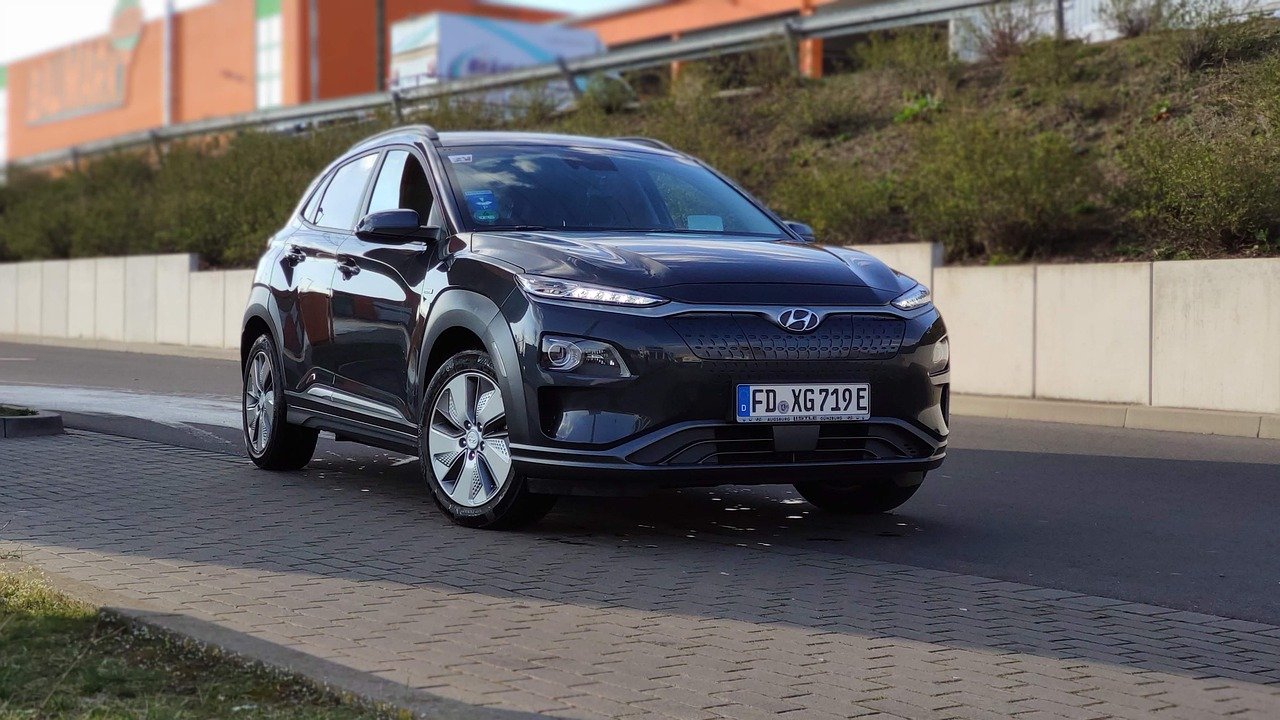
The NVIDIA Alliance: Federation Over Vertical Integration
This is where Hyundai diverges sharply from Tesla.
Tesla owns the full stack — hardware, software, data, manufacturing. Hyundai is building a federated platform on NVIDIA’s ecosystem, pooling data across Hyundai, Kia, FortyTwo Dot, Motional, and external partners.
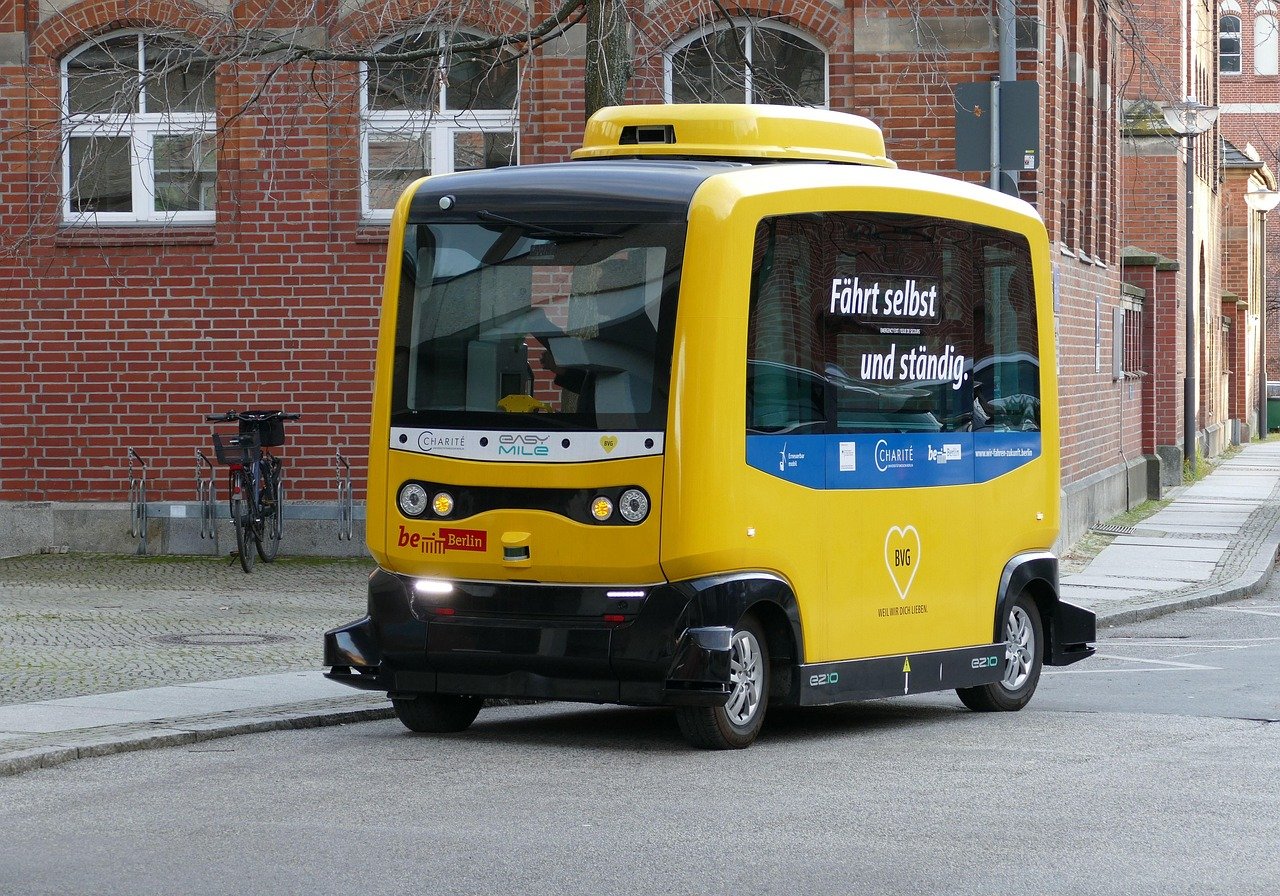
Trade-offs:
- Tesla’s model: Faster iteration, total control, but limited to one fleet
- Hyundai’s model: Broader data diversity, shared R&D cost, but coordination complexity across partners
The Saemangeum AI Data Center: Korea’s Compute Bet
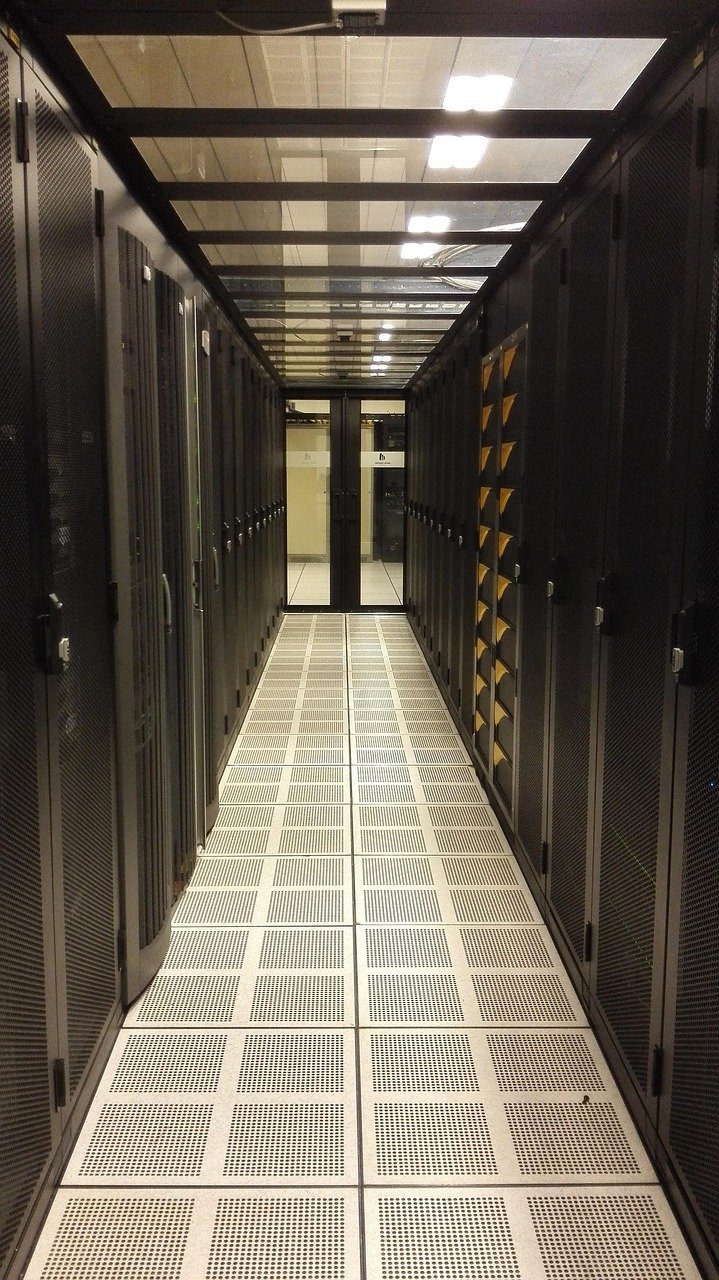
By 2029, a 100MW facility in Saemangeum housing 50,000+ GPUs will give Hyundai in-house training muscle. This isn’t just about autonomy — it’s a national infrastructure play positioning Korea as an AI compute hub.
Can They Actually Catch Up by 2033?
That’s the company’s target, not a guarantee. The variables:
- Sensor standardization execution speed
- Production volume ramp (millions of data-generating vehicles)
- AI training efficiency at scale
- OTA maturity and deployment cadence
If the 2028 platform launch and 2029 data center go live on schedule, the real chase begins then. Until 2028, it’s all preparation.
Bottom Line
Hyundai didn’t just say “we’re doing autonomy.” They showed when, how, and with what architecture. The federation strategy via NVIDIA is a calculated bet that pooled data across brands beats a single company’s vertical stack — provided the coordination works.
The 2033 deadline is aggressive. But for the first time, there’s a roadmap with milestones you can actually check off.
What’s your take — can a federated platform outpace vertical integration in the autonomy race? Bookmark this post and check back in 2028 when the first production platforms hit the road.