

Gas prices keep climbing, and every fill-up feels like a punch to the wallet. But here’s the thing — two people can drive the same car the same distance and spend wildly different amounts on fuel. Most blame driving habits, but the real difference often comes down to how and when you fill up.
Gas station owners themselves admit there are simple timing tricks that put more fuel in your tank for the same money. Below are five proven fuel-saving habits — from optimal fill-up timing to tire pressure checks — that can shave meaningful dollars off your annual fuel bill — no gadgets, no premium additives, just smarter pumping.
1. Don’t Run on Fumes — Fill Up at the 1/4 Mark
Waiting until the needle kisses empty is a common habit, but it’s hard on your car and your wallet. When fuel gets critically low, the pump sucks up sediment and water that settle at the bottom of the tank. That gunk can clog filters, damage the fuel pump, and hurt mileage.
Better habit: Treat the quarter-tank mark as your “empty” line. Refilling around 25% remaining keeps the fuel pump cool (it’s lubricated by the gasoline itself) and avoids stirring up tank bottom debris.

2. Skip the Station When a Tanker Truck Is Unloading
Ever pull in and see a massive tanker truck hooked up to the underground tanks? Drive to the next station — or wait 15–20 minutes. When thousands of gallons rush into storage tanks, they stir up rust, scale, and water that normally sit harmlessly at the bottom. That contaminated mix goes straight into your car if you pump during or right after a delivery.
Most stations manage this fine, but why gamble? A short wait or a different pump costs you nothing and eliminates the risk.
3. Fill Up Early Morning or Late Evening — Here’s the Physics
“Cold gas gives you more miles” sounds like an old wives’ tale, but it’s backed by thermodynamics. Gasoline expands when warm and contracts when cold. The Korea Petroleum Quality & Distribution Authority found gasoline volume increases roughly 0.11% per 1°C rise.
That means the same dollar buys marginally more mass of fuel — and therefore more energy — when the ground (and the underground tanks) are coolest. Dawn and dusk are your sweet spots. The per-fill difference is small, but over a year of weekly fill-ups, it adds up.
4. Stop at 80% — Don’t Top Off Every Time
“Full tank” feels satisfying, but gasoline weighs about 6 lbs per gallon. Hauling an extra 50–80 lbs of fuel around town — especially in stop-and-go traffic — hurts city MPG. Unless you’re heading out on a highway road trip, capping at 70–80% saves weight and reduces evaporative emissions from an overfilled tank.
Rule of thumb: Daily commute? 3/4 tank. Cross-country drive? Fill ‘er up.
5. The Single Biggest MPG Lever: Tire Pressure
It’s the easiest check at the station and the most ignored. Underinflated tires increase rolling resistance — your engine works harder to push the same car. The U.S. Department of Energy estimates every 1 PSI drop below spec costs ~0.2% fuel economy. Four tires down 5 PSI? That’s a 4% mileage hit, plus faster tire wear and longer braking distances.
Make it a ritual: Check pressure once a month, ideally when tires are cold (first thing in the morning). Do it while the pump runs — zero extra time.
-
Smooth Inputs
Jackrabbit starts and hard brakes can drop highway MPG by 15–30%. Jackrabbit starts and hard brakes can drop highway MPG by 15–30%.
-
Kill the Idle
If you’re stopped more than 10 seconds (except in traffic), shut the engine off. If you’re stopped more than 10 seconds (except in traffic), shut the engine off. Modern starters are built for it.
-
Clear the Trunk
An extra 100 lbs reduces MPG by roughly 1%. An extra 100 lbs reduces MPG by roughly 1%. Golf clubs, tools, emergency kit you never use — take them out.
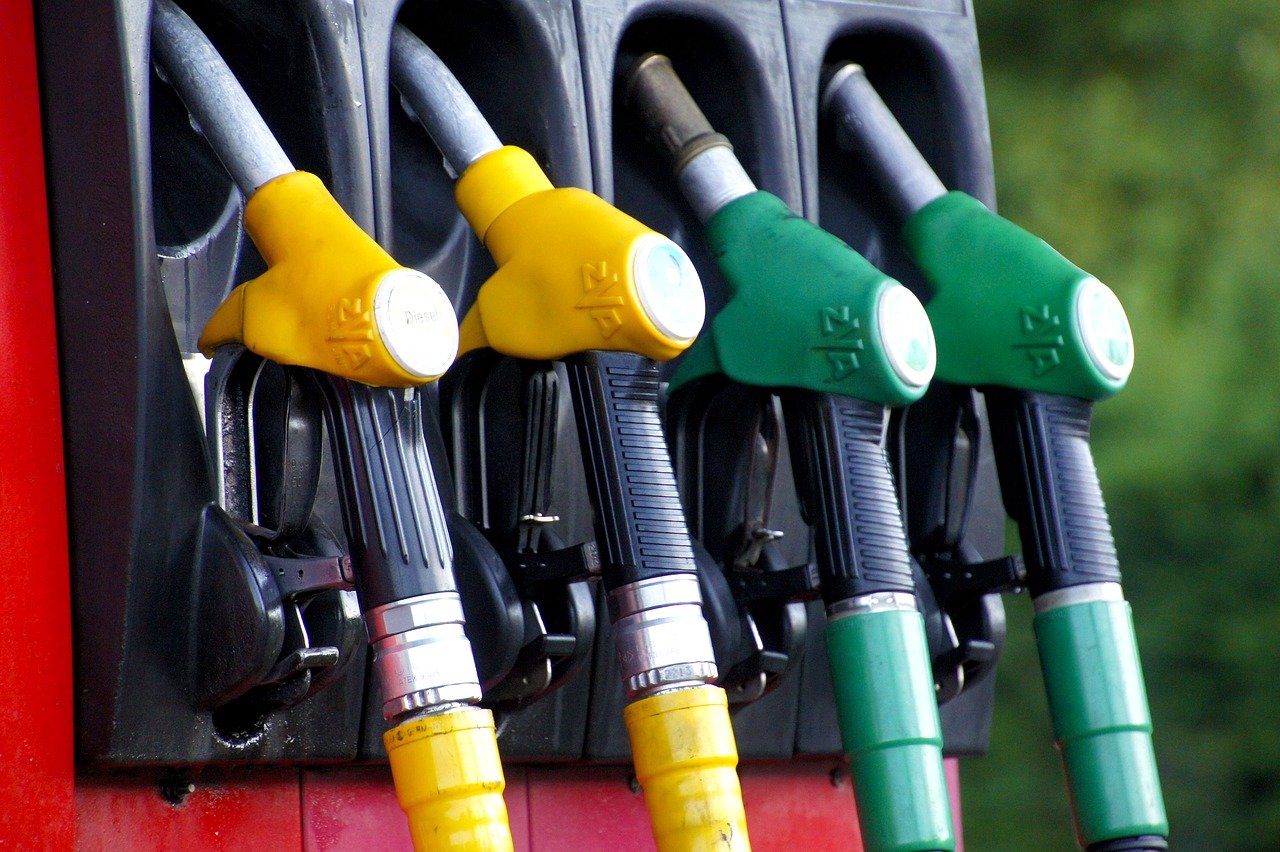
None of these tips require a mechanic, a fuel additive, or a new car. They’re just small behavior shifts — when you pump, how full you go, and a monthly tire check — that compound into real savings over thousands of miles.
Next time you pull up to the pump, try just one: fill at dawn, stop at 80%, or glance at your tire pressure. Track your MPG for a month. The numbers don’t lie.
Frequently Asked Questions
Is it better to fill up gas in the morning?
Yes. Gasoline expands when warm and contracts when cold. The Korea Petroleum Quality & Distribution Authority found gasoline volume increases about 0.11% per 1°C rise. Filling up at dawn or dusk means you get slightly more fuel for the same price.
How much gas should be left in the tank?
Never let it hit empty. Refill when the gauge is at least 1/4 tank. This keeps the fuel pump cool (it’s lubricated by gasoline) and prevents sediment from clogging your filter.
Does tire pressure really affect MPG?
Yes. The U.S. Department of Energy estimates every 1 PSI drop below spec costs ~0.2% fuel economy. Underinflated tires increase rolling resistance, forcing your engine to work harder.
Should I top off my gas tank?
No. Gasoline is heavy (~6 lbs per gallon), and overfilling adds weight that hurts city MPG. Fill to about 80% for daily driving; go full only for long road trips.
Found this useful? Bookmark it for your next fill-up, share it with a friend who complains about gas prices, and stay tuned — next week we’re breaking down whether premium fuel is ever worth the extra cash for regular cars.