
You finish the dishes, and the water drains… slowly. That slow swirl is the first warning sign of a grease clog forming in your kitchen sink.
A greasy sink drain never clogs overnight. Cooking oil, broth fat, and meat grease coat the inside of your pipes a little at a time, narrowing the passage until water pools in the basin. Left alone, it leads to foul odors, backups, and in the worst case, a pipe replacement bill.
The good news: most kitchen sink grease clogs can be cleared yourself in about ten minutes, before you ever pay for a plumber. The key is understanding how grease behaves.
Why Kitchen Sinks Clog With Grease
Grease goes down as a liquid, but it solidifies inside cool pipes. That hardened fat combines with food scraps to form a stubborn blockage. Over time you’ll notice:
- Slower draining
- Bad smells from the drain
- Standing water in the basin
- Full backups
Cold weather makes it worse — grease solidifies faster in winter, so clogs form more quickly.
Fix #1: The Hot-Water Flush (Early Stage, ~10 Minutes)
If water is just draining slowly, this simple method usually works:
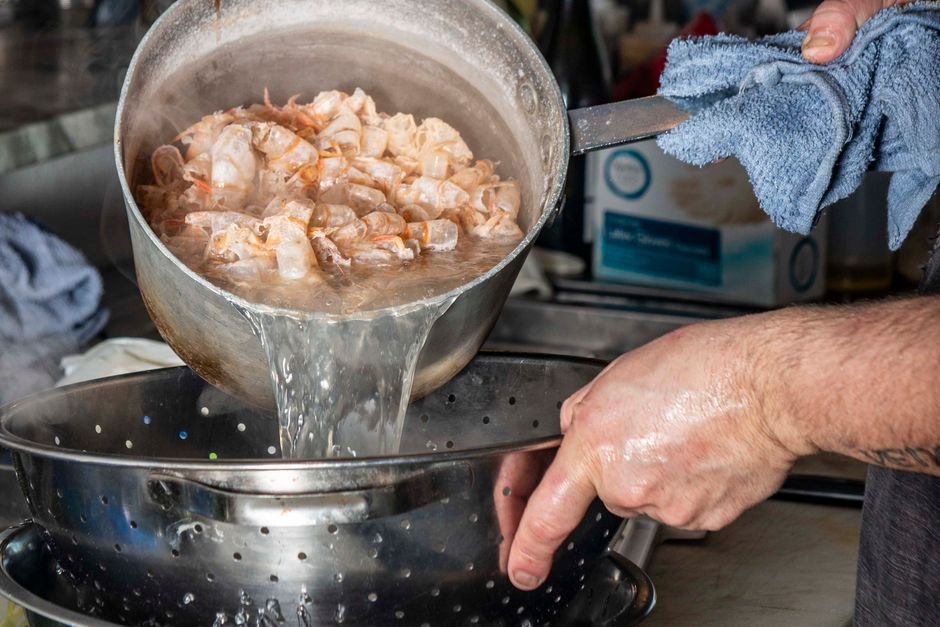
- Boil a generous amount of water.
- Pour it slowly down the drain.
- Repeat 2–3 times.
Hot water melts hardened grease so it can wash away. One important caution: boiling water can soften or warp PVC pipes and their joints. If you have PVC plumbing, heat the water until it’s steaming but not at a rolling boil (roughly 140–160°F) and pour it in stages. Metal pipes can take a full boil.
Fix #2: Baking Soda + Vinegar (Established Clog)
When a grease mass has already formed, use this classic chemical reaction:
Total time: about 20 minutes. You’ll need: 1 cup baking soda, 1 cup white vinegar, a kettle of hot water.
- If standing water covers the drain, bail out as much as you can first — the reaction needs to reach the clog directly.
- Pour 1 cup of baking soda into the drain and let it sit for about 5 minutes to work into the grease.
- Slowly pour in 1 cup of white vinegar. It will fizz immediately — cover the drain opening to push the reaction down into the clog.
- Wait a full 15 minutes while the fizzing breaks down the grease layer.
- Flush with a kettle of hot water. When it’s worked, water should swirl freely down the drain.
This breaks down the grease layer and deodorizes the drain at the same time.
Fix #3: Force It Out With a Plunger (Severe Clogs)
If water barely drains at all, you need physical pressure:
- Add a few inches of water to the sink.
- Seal the plunger over the drain opening.
- Plunge firmly up and down, repeatedly.
The pressure pushes the clog loose and moves it down the line.

Still Clogged? Check These Next
- Remove and clean the P-trap under the sink.
- Inspect the U-bend / branch line downstream.
- Check for solid objects stuck in the line.
If none of that works, it’s time to call a professional plumber — but by then you’ve ruled out every cheap fix.
What NOT to Do
- Never pour leftover cooking grease straight down the drain.
- Don’t rely on repeated hot-water flushes to clear solidified fat.
- Avoid harsh chemical drain cleaners — they can damage pipes and cause lingering odors.
How to Prevent Grease Clogs
Prevention beats any fix. Four habits make clogs rare:
| Habit | Frequency |
|---|---|
| Wipe pans with paper towel before washing | Every time |
| Use a sink strainer basket | Always |
| Flush with hot water | Weekly |
| Baking soda treatment | Monthly |
Quick Summary
- Early: hot water flush
- Moderate: baking soda + vinegar
- Severe: plunger pressure
- Persistent: clean the trap, then call a pro
Frequently Asked Questions
Can I use bleach? Not recommended. It does little to break down grease and risks damaging your pipes.
Does pouring cola help? There’s no real science behind it — don’t count on it.
What does a plumber charge? It varies by region and severity, but there’s almost always a service-call fee — which is exactly why the DIY route is worth trying first.
A grease clog isn’t a sudden disaster — it builds up quietly until one day the water stops going down. Understand the principle, and most clogs are solvable right at home. Start tonight with one kettle of hot water.
Found this useful? Bookmark it for the next slow drain — or share it with someone who cooks a lot.
Photo credits: Pexels contributors.